


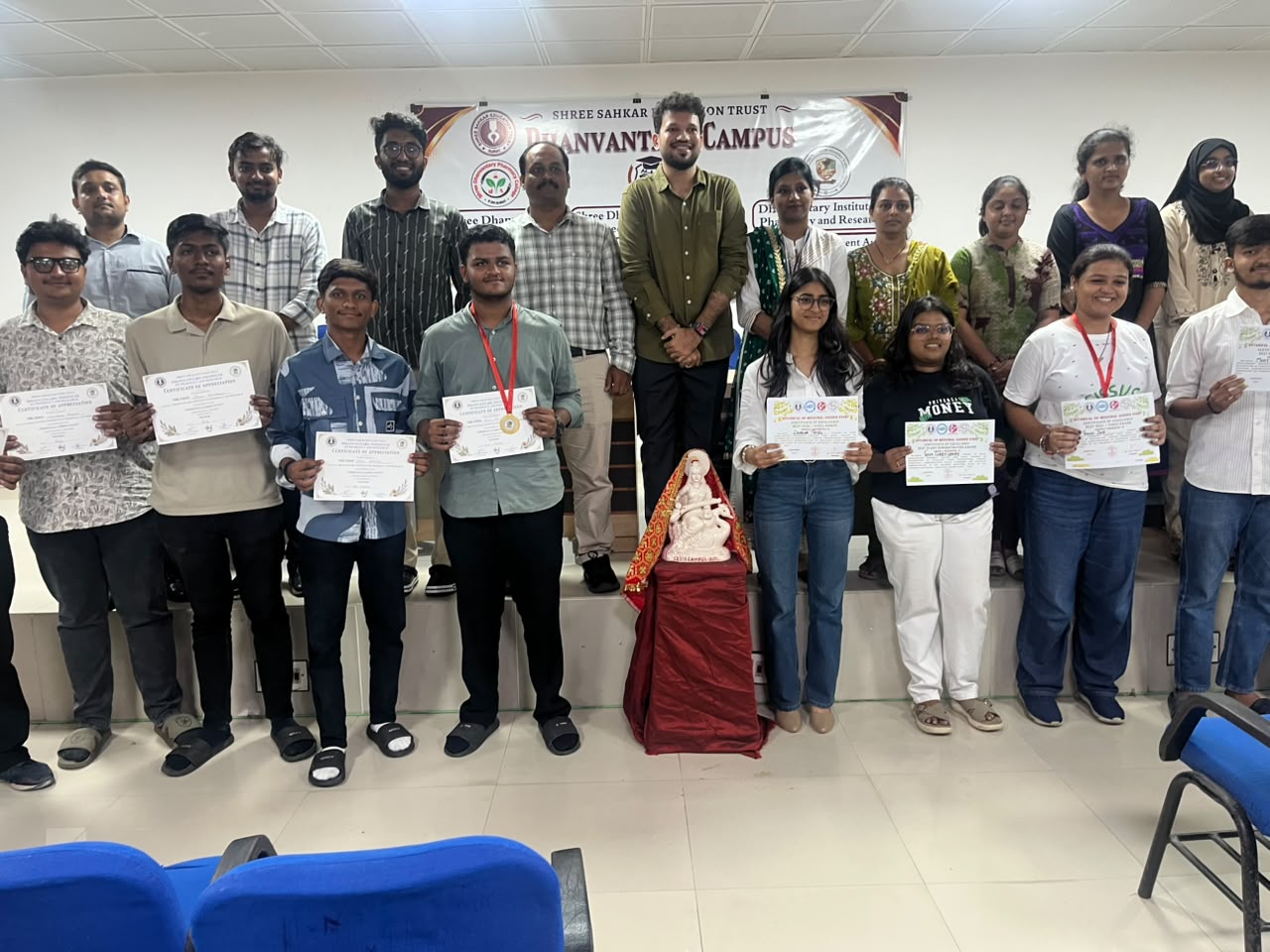
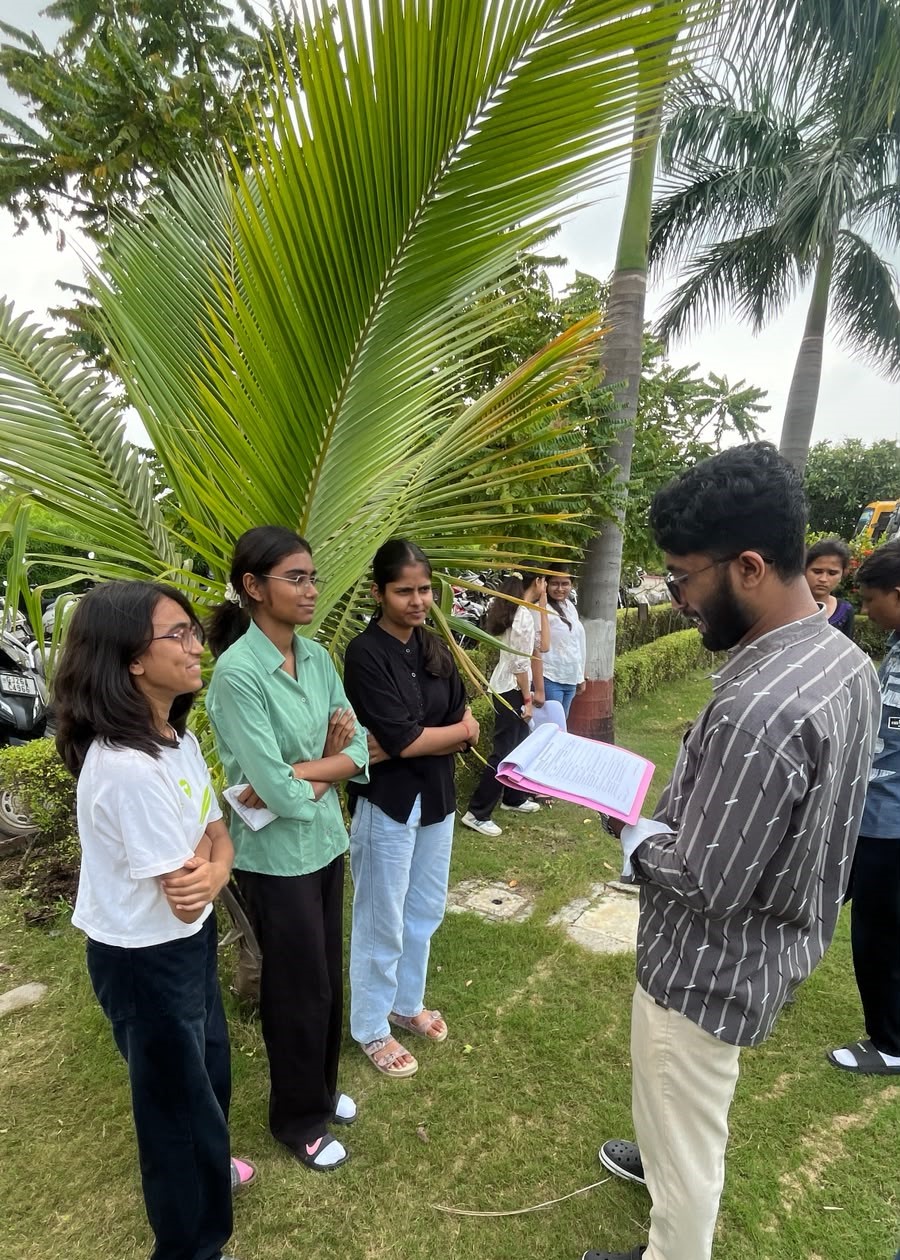
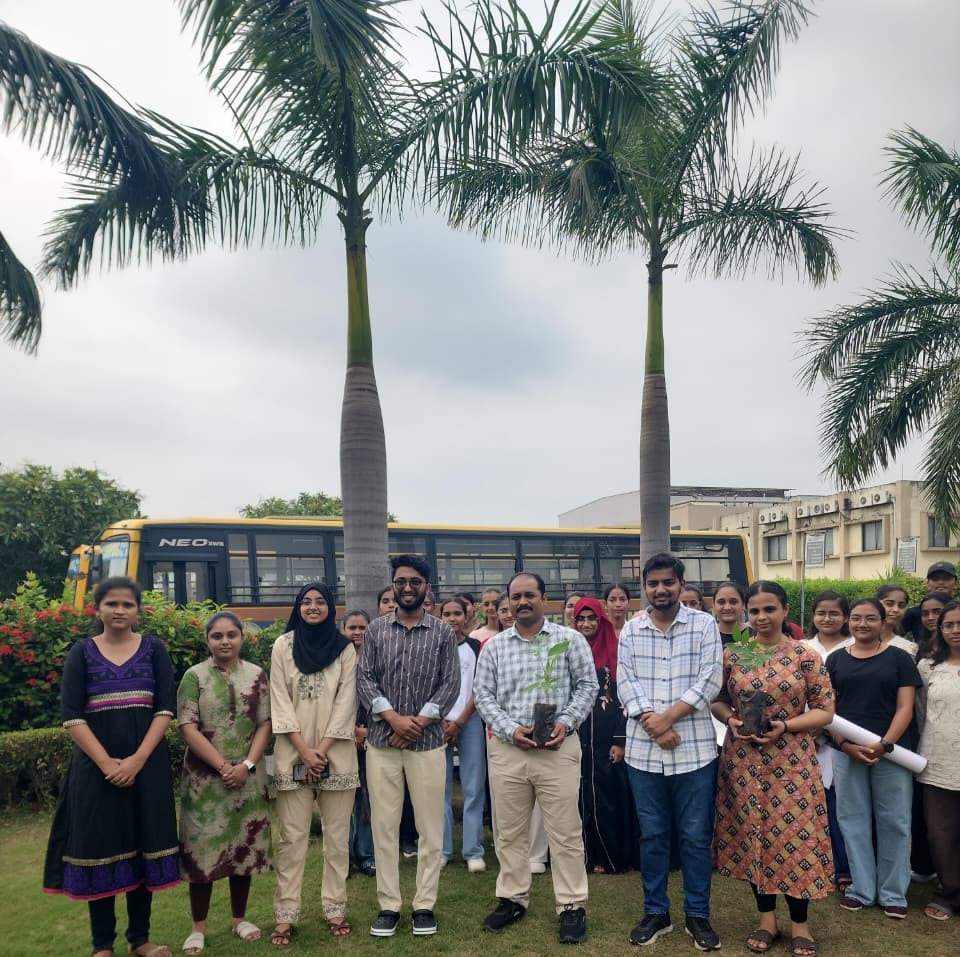
🌿 Herbal Garden Essential for students studying Pharmacognosy, our meticulously maintained Herbal Garden is home to a wide variety of rare and common medicinal plants. It serves as a living laboratory where students can practically learn about plant identification, cultivation, and the extraction of active phytoconstituents, connecting traditional Ayurvedic roots with modern pharmacological sciences. The initiative operates under the core theme "One Plant One Pharmacist One Responsibility". The garden was officially inaugurated on September 22, 2026, with the first plantation carried out by faculty members. The project is actively maintained and developed by First-Year B. Pharm students.
Key Activities
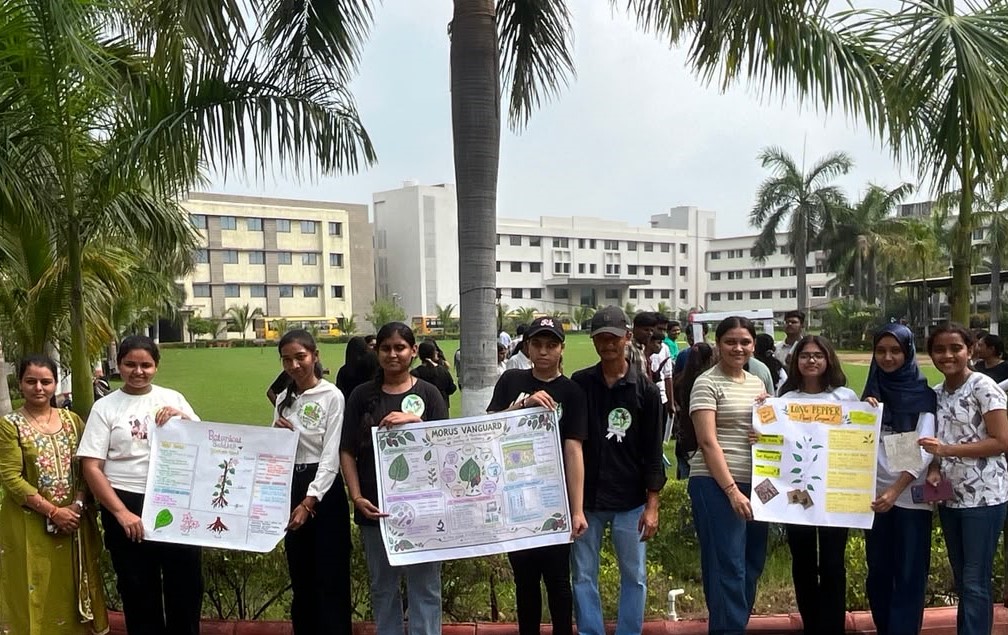
- Mass Plantation: Student teams actively planted assigned medicinal plants in designated campus zones. Plant Introduction Reels: Students developed 30 to 60-second educational videos detailing their assigned plant's botanical name, family, major medicinal uses, and conservation facts. Educational Charts and 3D Models: Participants created handmade, colorful charts and portable 3D models displaying plant morphology, active constituents, and therapeutic uses. Innovative Plant Labelling: Teams designed eco-friendly, weather-resistant hanging labels containing scientific information, and adopted unique team identities such as "Tulsi Guardians" or "Green Healers". Botanical Garden Passport Quiz: Students participated in a pharmacognosy profile quiz, answering questions about biological sources and morphological characters to earn a Botanical Garden Passport. Conservation Initiatives: Teams pitched practical environmental ideas, such as seed banks, medicinal plant nurseries, or adopt-a-plant programs.
Benefits & Outcomes
- Students gained practical exposure to live plant identification, plantation techniques, and scientific documentation. The activities fostered a deep interest in medicinal plants and their critical role in pharmacy and healthcare. Participants strengthened their knowledge of pharmacognosy profiles, including geographical distribution, chemical constituents, and traditional therapeutic applications. The collaborative nature of the project developed essential skills in teamwork, scientific communication, public presentation, and clinical observation. Students cultivated a strong sense of environmental responsibility, learning about sustainable harvesting and modern conservation strategies.
Facilities Available
- Zoned Botanical Collection: A structured living library of medicinal flora categorized into multiple zones, featuring trees, shrubs, herbs, and succulent climbers (e.g., Ashoka tree, Aloe vera, Tulsi, Giloy, and Bryophyllum). Eco-Friendly Information Labels: Weather-resistant plant tags detailing botanical names, families, and parts used for quick academic reference. Growth Monitoring Tables: Tools utilized by students to continuously track and assess the physical development of the medicinal plants. Green Pharmacy Wall: An interactive installation located near the garden entrance for displaying student messages and conservation notes. Academic Reference Models: A collection of student-made 3D models and educational charts retained for ongoing pharmacognosy instruction.